To reduce the possibility of personal injury, avoid direct contact of hot oil with your skin.
WARNING
Some state and federal agencies have determined that used engine oil can be carcinogenic and cause reproductive toxicity. Avoid inhalation of vapors, ingestion, prolonged contact with used engine oil. If not reused, dispose of in accordance with local environmental regulations.
When using solvents, acids, or alkaline materials for cleaning, follow manufacturer’s recommendations for use. Wear goggles and protective clothing to reduce the possibility of personal injury.
WARNING
Wear appropriate eye and face protection when using compressed air. Flying debris and dirt can cause personal injury.
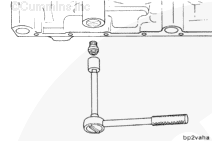
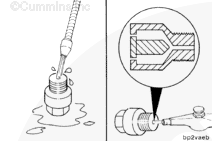
If the viscosity sensor is plugged or contains debris, it must be cleaned.
Use solvent and compressed air to remove the debris. If the viscosity sensor can not be cleaned of all debris, it must be replaced.
Engine oil pressure must be indicated on the gauge within 15 seconds after starting. If oil pressure is not registered within 15 seconds, shut off the engine immediately to avoid engine damage. Confirm the correct oil level in the oil pan.
Hello, I'm Jack, a diesel engine fan and a blogger. I write about how to fix and improve diesel engines, from cars to trucks to generators. I also review the newest models and innovations in the diesel market. If you are interested in learning more about diesel engines, check out my blog and leave your feedback.
View all posts by Jack
 WARNING






 CAUTION
 ;)
;)
;)
;)
;)
;)
