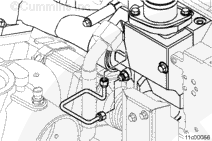
NOTE: Removal of the sensor plumbing does not require the sensor removal. Remove the sensor only if the sensor adapter is being replaced.
Disconnect the electrical connector to the exhaust gas pressure sensor. Refer to Procedure 019-376 in the Troubleshooting and Repair Manual CM870 Electronic Control System Signature and ISX Engines, Bulletin 4021334.
When using solvents, acids, or alkaline materials for cleaning, follow the manufacturer’s recommendations for use. Wear goggles and protective clothing to reduce the possibility of personal injury.
WARNING
Wear appropriate eye and face protection when using compressed air. Flying debris and dirt can cause personal injury.
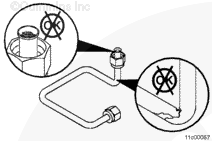
Inspect the inside of the tube. If clogged, use compressed air to remove debris or soot buildup.
Clean the outside of the tube with solvent.
Dry with compressed air.
Check the tube for cracks and thread damage. Replace the tube, if cracks or damage are found.
Connect the electrical connectors to the exhaust gas pressure sensor. Refer to Procedure 019-376 in the Troubleshooting and Repair Manual CM870 Electronic Control System Signature and ISX Engines, Bulletin 4021334.
Start the engine and verify proper operation.
Check for fault codes.
If failure resulted in coolant, oil, excessive fuel or excessive black smoke entering the exhaust system, the aftertreatment system must be inspected. Refer to Procedure 014-013.
Hello, I'm Jack, a diesel engine fan and a blogger. I write about how to fix and improve diesel engines, from cars to trucks to generators. I also review the newest models and innovations in the diesel market. If you are interested in learning more about diesel engines, check out my blog and leave your feedback.
View all posts by Jack


 WARNING



;)
;)
;)
;)
;)
;)
