Filtration and separation of oil from the fuel is important for trouble-free operation and long life of the fuel system. In certain cases, oil is introduced into the fuel from gas compressors when the fuel is pressurized. Some of the components in the fuel system are susceptible to oil contamination.
The fuel filter element has a valve that must be opened daily to drain the collected oil. Regular maintenance, including draining oil from the filter, is essential to keep the oil out of the fuel system.
Some state and federal agencies have determined that used engine oil can be carcinogenic and cause reproductive toxicity. Avoid inhalation of vapors, ingestion, and prolonged contact with used engine oil. If not reused, dispose of in accordance with local environmental regulations.
NOTE: The filter can be either engine or remote mounted.
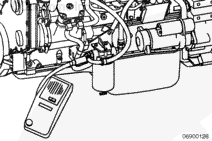
Shut off the engine. Use your hand to open the drain valve. Turn the valve counterclockwise approximately 1-1/2 to 2 turns until draining occurs.
Drain the oil from the fuel filter.
When closing the drain valve, do not overtighten the valve. Overtightening can damage the threads. Turn the valve clockwise to close the drain valve.
Fuel is flammable. Keep all cigarettes, flames, pilot lights, arcing equipment, and switches out of the work area and areas sharing ventilation to reduce the possibility of severe personal injury or death when working on the fuel system.
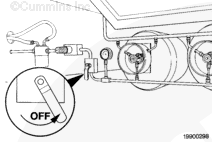
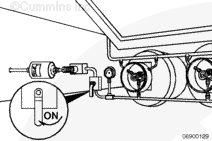
Before removing any component, turn off the fuel supply at the vehicle’s main fuel shutoff valve.
Start the engine and allow it to run at idle. Allow the engine to run until it dies.
Mechanical overtightening can distort the threads as well as damage the filter element seal or filter can.
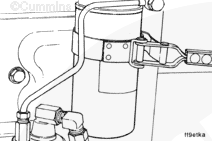
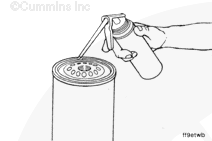
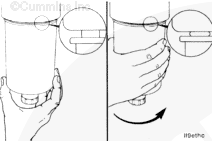
Install the fuel filter on the fuel filter head. Turn the filter until the gasket contacts the filter head surface.
Tighten the fuel filter, by hand, an additional ½ to ¾ of a turn after the gasket contacts the fuel filter head surface, or as specified by the fuel filter manufacturer.
Fuel is flammable. Keep all cigarettes, flames, pilot lights, arcing equipment, and switches out of the work area and areas sharing ventilation to reduce the possibility of severe personal injury or death when working on the fuel system.
Hello, I'm Jack, a diesel engine fan and a blogger. I write about how to fix and improve diesel engines, from cars to trucks to generators. I also review the newest models and innovations in the diesel market. If you are interested in learning more about diesel engines, check out my blog and leave your feedback.
View all posts by Jack

 WARNING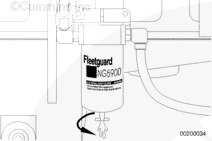




 CAUTION

;)
;)
;)
;)
;)
;)
;)
;)
;)
;)
;)
;)
;)
;)
;)
;)