Batteries can emit explosive gases. To reduce the possibility of personal injury, always ventilate the compartment before servicing the batteries. To reduce the possibility of arcing, remove the negative (-) battery cable first and attach the negative (-) battery cable last.
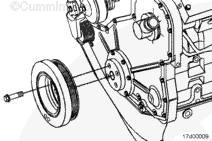
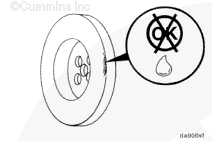
The viscous damper is filled with a silicone fluid. After many hours of use, the silicone fluid may become thicker and expand.
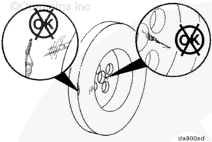
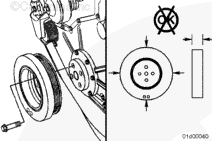
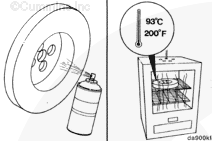
To determine if the damper thickness is correct, remove the paint from the damper in four locations on either side of the damper. Measure and record the thickness of the damper in four places.
Measure the thickness 3.175 mm [0.125 in] from the outside of the damper.
Replace the damper if its thickness varies by more than 0.25 mm [0.010 in].
Batteries can emit explosive gases. To reduce the possibility of personal injury, always ventilate the compartment before servicing the batteries. To reduce the possibility of arcing, remove the negative (-) battery cable first and attach the negative (-) battery cable last.
Hello, I'm Jack, a diesel engine fan and a blogger. I write about how to fix and improve diesel engines, from cars to trucks to generators. I also review the newest models and innovations in the diesel market. If you are interested in learning more about diesel engines, check out my blog and leave your feedback.
View all posts by Jack
 WARNING






;)
;)
;)
;)
;)
;)
;)
;)
;)
;)
;)
;)
;)
;)
