See the Fuel Consumption Checklist sheets in Section TS.
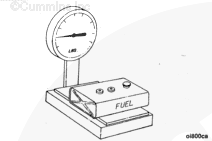
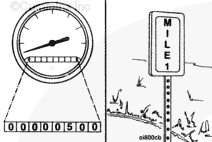
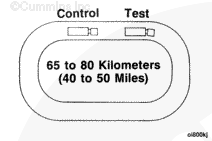
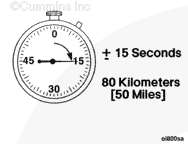
NOTE: The most accurate method to check the fuel consumption is to weigh the fuel used. Use a scale capable of measuring within 0.045 kg [0.1 lb] to weigh the fuel tank. Use a remote mount tank with enough capacity to run 80 km [50 mi].
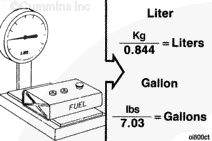
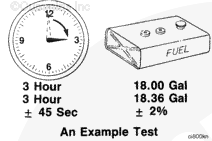
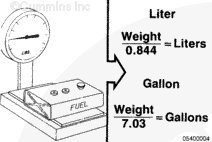
Fill the fuel tank. Weigh the tank with the fuel. The weight of Number 2 diesel fuel is nominally 0.844 kg per liter [7.03 pounds per gal].
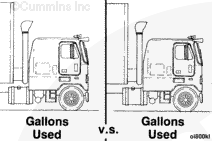
Compute the kilometers per liter or miles per gallon:
Miles (÷) Gallons (=) MPG
Kilometers (÷) Liters (=) KPL
In addition to the measurement of the fuel used, the following factors provide points for running a test similar to the recognized Type II Society of Automotive Engineers Fuel Test.
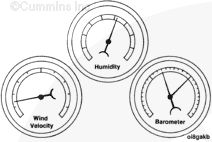
These procedures are helpful to determine differences in fuel consumption between two vehicles under the same environmental, road, and test conditions.
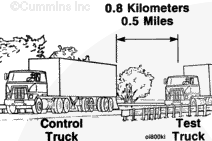
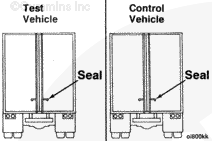
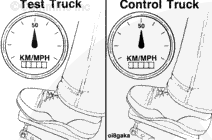
Perform the test with the test vehicle and a control vehicle. The control vehicle compensates for changes in traffic conditions.
The vehicles must stay close together to experience the same varying traffic and weather conditions, but not so close as to affect each other’s driving or headwind.
Fuel is flammable. Keep all cigarettes, flames, pilot lights, arcing equipment, and switches out of the work area and areas sharing ventilation to reduce the possibility of severe personal injury or death when working on the fuel system.
WARNING
Do not vent the fuel system on a hot engine; this can cause fuel to spill onto a hot exhaust manifold, which can cause a fire.
CAUTION
Use caution when disconnecting or removing fuel lines, replacing filters and priming the fuel system that fuel is not spilled or drained into the bilge area. Do not drop or throw filter elements into the bilge area. The fuel and fuel filters must be discarded in accordance with local environmental regulations.
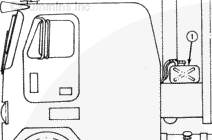
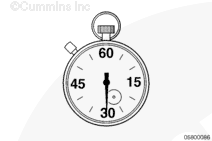
Install a remote fuel tank (1) with enough capacity to run 1 hour.
Fill and weigh the fuel tank. The weight of Number 2 diesel fuel is nominally 0.844 kg per liter [7.03 lb per gallon].
NOTE: Use a scale capable of measuring within 0.045 kg [0.1 lb] to weigh the fuel tank.
Hello, I'm Jack, a diesel engine fan and a blogger. I write about how to fix and improve diesel engines, from cars to trucks to generators. I also review the newest models and innovations in the diesel market. If you are interested in learning more about diesel engines, check out my blog and leave your feedback.
View all posts by Jack






 WARNING
  CAUTION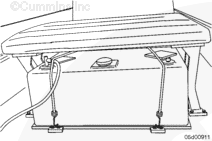
;)
;)
;)
;)
;)
;)
;)
;)
;)
;)
;)
;)
;)
;)
;)
;)
;)
;)
;)
;)
;)
;)
;)
;)
;)
;)
;)
;)
;)
;)
;)
;)
