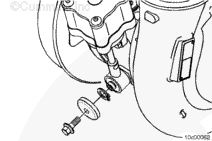
Inspect the actuator mounting bracket, rod and body. If the actuator is bent or cracked, it must be replaced.
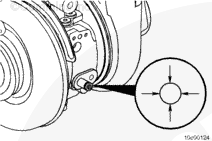
Inspect the bushing in the actuator rod end that attaches to the turbocharger cross-shaft for wear, scoring, or damage. Replace the actuator, if damage is found.
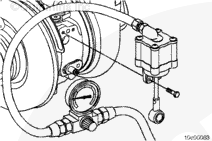
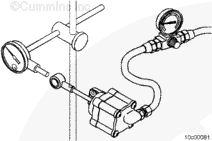
Attach a dial indicator as shown, so the shaft is in line with the actuator rod. Set the dial indicator to zero with no air pressure applied to the actuator.
Connect a clean, regulated air pressure supply and a pressure gauge to the actuator. Apply a minimum of 414 kPa [60 psi] air pressure to make sure the actuator is functioning properly.
The rod must move without any sticking.
Measurements
mm
in
Actuator Movement Range
10.8
0.425
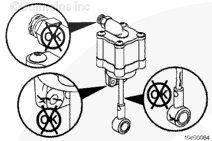
NOTE: No air must be heard leaking through a functional actuator.
Spray soapy water on the actuator housing to check for air leaks. Replace the actuator housing if leaks are found.
Replace the actuator if no movement of the actuator rod is detected, the actuator is sticking, or an air leak is found.
NOTE: This test can be performed with the actuator removed or installed on the turbocharger.
Hello, I'm Jack, a diesel engine fan and a blogger. I write about how to fix and improve diesel engines, from cars to trucks to generators. I also review the newest models and innovations in the diesel market. If you are interested in learning more about diesel engines, check out my blog and leave your feedback.
View all posts by Jack







;)
;)
;)
;)
;)
;)
;)
;)
;)
;)
;)
;)